Auto glass looks simple until you fail a state inspection over a crack you swore you could live with. I have spent years on shop floors and in inspection bays, watching small windshield problems turn into big headaches. The rules are not uniform, the repair options vary with the damage, and decisions you make today affect safety, insurance, and resale value. This guide brings that experience to the surface so you can navigate windshield choices with confidence and pass your inspection without drama.
Why windshields matter more than people think
Windshields do three jobs at once. They protect you from road debris and weather. They anchor advanced driver assistance sensors, which now sit behind the glass on many vehicles. They also contribute to the vehicle’s structural strength. On most unibody cars, the windshield helps control roof crush in a rollover and supports passenger airbag deployment. A compromised windshield, even if it looks like just a cosmetic flaw, can lengthen stopping distances in your brain’s perception, confuse cameras, or fail when you need it most.
I once watched a driver put off fixing a quarter-sized bull’s-eye chip for a month. It turned into a 20-inch crack during a cold snap, the inspection shop flagged it, and the car had to stay off the road for two days while we sourced a heated, camera-ready glass. The lesson is simple. Small problems are cheaper, safer, and faster to address.
How state inspection rules generally treat windshield damage
Every state writes its own inspection code, but the themes repeat. Inspectors look at three things: your view of the road, the integrity of the glass, and whether safety systems are compromised. That means damage in the driver’s line of sight, long cracks, edge cracks, and any break that has sharp edges or significant pitting often fail. Some states write specifics into law, such as limits on size or position of defects. Others leave it to inspector judgment guided by training manuals.
Here is how the policies usually play out across the country:
- Driver’s line of sight: If a crack, large chip, or cluster of pits sits directly in front of the driver between the top of the steering wheel and a few inches below the top of the windshield, expect trouble. Some states define a zone roughly the width of the steering wheel or the sweep of the driver’s wiper. Damage in that zone is the most likely to fail. Size and type of damage: Many jurisdictions tolerate small chips that have been properly filled. When damage exceeds about 3/4 inch for star breaks or bull’s-eyes, or when cracks are longer than 6 to 14 inches, the inspector may fail it. Edge cracks are worse because they grow faster. Multiple defects: A cluster of small chips or widespread pitting can be grounds for failure even if no single chip is large. If wipers chatter over rough glass or water beads strangely in the driver’s view, that can also be noted. Tints and stickers: Non-OEM tint below the AS-1 line, mirrored films, or heavy stickers can fail you. States allow inspection or registration stickers, but not a collage of decals that block view. ADAS visibility: Modern rules are evolving. If a camera or sensor behind the windshield is obstructed or the glass has a pattern that disrupts the sensor, you may fail. A cracked area that crosses a camera’s field can disable lane-keeping or automatic high beams, and some inspectors treat that as a safety defect.
Notable differences exist. Pennsylvania and Virginia commonly fail cracks in the swept area, Texas specifies bans on red or blue windshield coatings, New York targets major breaks within the wiper sweep, and California’s fix-it citation process relies on officer discretion rather than annual inspection. If you drive a company vehicle or a commercial truck, federal standards add another layer, and inspectors can be strict about anything in the wiped area.
When in doubt, ask the inspection station how they interpret “wiped area” and “critical view.” A two-minute conversation can prevent a wasted appointment.
Windshield Chip repair versus replacement, by the numbers
When a stone pops up from the lane ahead, it either chips, stars, or cracks the glass. Whether you choose Windshield Chip repair or a full auto glass replacement hinges on the size, position, and age of the damage.
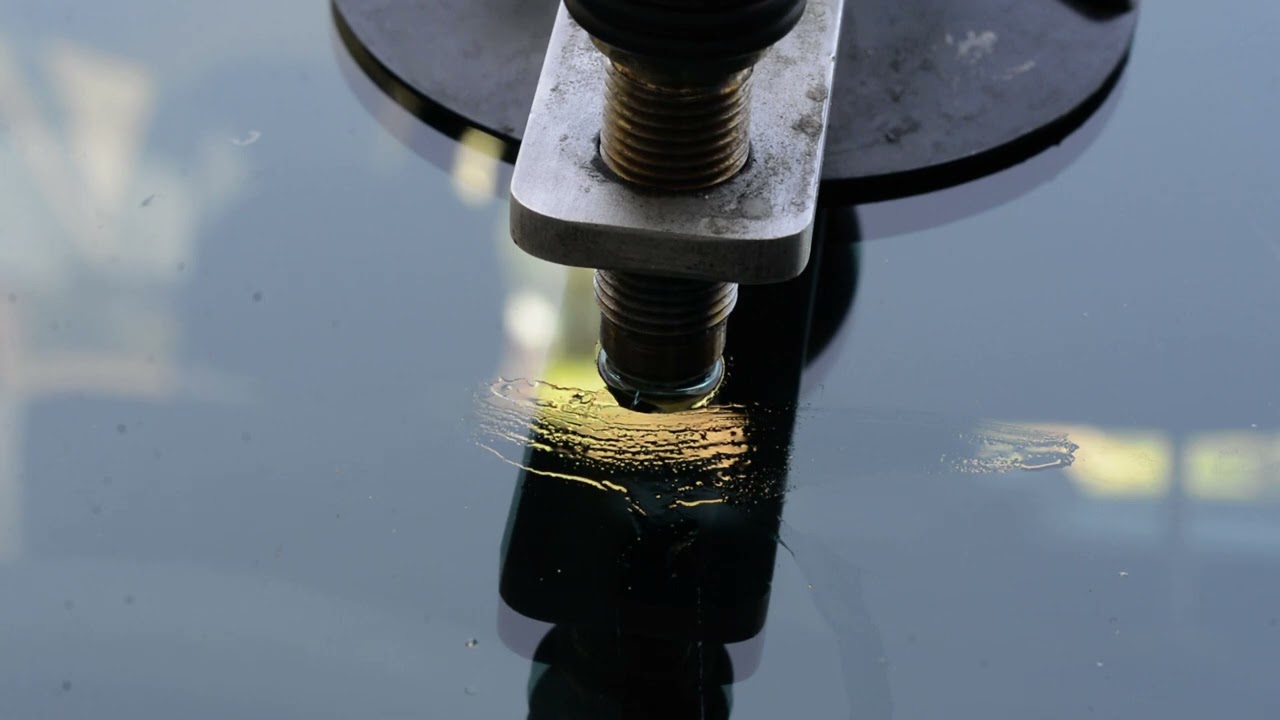
Chip repairs work best within the first week, before dirt and moisture contaminate the impact point. The standard kit injects resin under vacuum, then cures it with UV light. A good repair restores strength and makes the blemish fade by 50 to 80 percent. In clear conditions, most repaired chips effectively disappear from the driver’s eye unless you go looking for them. Repairs of stars with long legs, or combination breaks with multiple impacts, are less invisible but still structurally sound.
Replacement starts to make sense when the crack is longer than a few inches, when it touches the edge of the glass, when the damage sits in the driver’s sightline, or when an ADAS camera is affected. Also consider replacement if the glass is pitted from years of sand and salt. You can feel pitting by running the back of your fingernail across the windshield; the surface will feel like fine sandpaper.
Cost is where modern cars surprise people. A basic sedan with no sensors may cost $250 to $400 for an aftermarket windshield, installed. A luxury SUV with rain sensors, acoustic interlayers, solar coatings, heated wiper parks, head-up display zones, and a forward-facing camera can push past $1,000. Add $150 to $350 for static or dynamic ADAS calibration. Insurance often waives the deductible for chip repairs and applies a glass deductible or full coverage rules for auto glass replacement. Before you call your insurer, check whether a claim will affect your premiums in your state. Many carriers do not surcharge for glass, but policies vary.
Passing inspection after a repair
A repaired chip normally passes inspection if:
- The break is not in the critical view zone that the state defines. The repair is professionally done, leaving a smooth surface without raised edges. The crack does not continue spreading after the repair.
I have passed many cars with cleanly repaired stone chips outside the driver’s line of sight. Inspectors know what a filled break looks like. They will run a finger across the area and check for clarity. Do not attempt a DIY kit on a large star in the middle of your sightline the night before inspection. If resin smears, or if you leave a bubble, you may make matters worse and still fail.
A replaced windshield, of course, should pass, but there are pitfalls. If the shop leaves excess urethane visible in the view area, or fails to reattach trim, or forgets the inspection sticker transfer procedure required in your state, you can run into secondary issues. More common now is the ADAS calibration status. If your forward camera is out of calibration, a dash warning may illuminate. Some states consider an active safety warning light, especially for ABS or airbags, a reason to fail. While ADAS warnings are not universally included in inspection checklists, the trend is clear. Schedule calibration the same day as the install when possible.
How to judge damage with your own eyes
Drivers often bring me cars with three types of complaints: a single chip, a paw-full of small pits, or a long crack that seems to grow overnight. Each calls for a specific look.
Stand outside the car with a dry windshield in full daylight. Put your eyes at driver height and look straight ahead. If the defect sits above the steering wheel center and within an 8 to 10 inch band up toward the visor area, consider it a high-risk spot for inspection. If the break is below midline, on the passenger side, or near the edge but not touching it, the odds of passing improve, though edge cracks still migrate.
Run a plastic card or a fingernail over the damage. Chips that feel rough or have loose glass need repair before a crack shoots out. If the defect is a bull’s-eye roughly the size of a pencil eraser, a repair is ideal. If it is a crack longer than the short side of a dollar bill, talk replacement.
Check the swept area of your wipers. Many states cue off what the blades clear. If a crack crosses that path on the driver’s side, expect a stricter read.
Finally, scan for secondary issues. Any tint strip that dips below the AS-1 mark on the glass, suction-cup residues from radar detectors, or phone mounts stuck high on the glass may create line-of-sight debates during an inspection. Clear them before you go.
ADAS, cameras, and calibration, explained in plain terms
Advanced driver systems use small cameras and radars to read lane markings, traffic, and light. On many cars, the forward camera sits at the top center of the windshield behind a black frit mask. When you replace the glass, the optical properties have to match the original. Cheap glass can distort the image just enough to confuse the camera, which then needs calibration to relearn its view.
There are two common calibration methods. Static calibration uses a stationary pattern board and targets positioned at precise distances. Dynamic calibration uses a scan tool while you drive the car on a straight, well-marked road at a steady speed. Some cars require both. The whole process takes 30 to 120 minutes, depending on the system. If you skip this step, lane centering may drift, automatic high beams can behave erratically, and emergency braking might trigger late or not at all.
Tell your glass shop about your ADAS features. If you have lane-keep assist, adaptive cruise control, traffic sign recognition, or a heads-up display, it changes the glass choice, the adhesive cure time, and the schedule for calibration. In some states, a misaligned camera that throws a warning light can complicate inspection. Even where it does not, you do not want to discover a calibration issue the day after you pass.
The right time to drive after installation
The urethane adhesive that holds a windshield in place needs time to cure. Safe drive-away times range from one hour to overnight, depending on temperature, humidity, the brand of adhesive, and whether your vehicle has airbags that deploy against the glass. A seasoned installer will place a safe drive-away sticker on the corner of the glass and explain timing. Respect it. I still recall one hasty customer who hit a pothole 30 minutes after installation. The top corner lifted slightly, wind noise appeared, and we had to reset the glass. It added a day to their schedule and risked a leak.
Avoid slamming doors hard for the first 24 hours. The pressure pulse can push on the fresh bond. Do not run a carwash with heavy brushes until the urethane fully cures. If you must tape the trim, keep the tape for the time recommended by the installer, then remove it cleanly to avoid residue baked on by the sun.
Insurance, deductibles, and choosing a shop
Auto glass repair often lives in a gray space for insurance. Some policies offer full glass coverage with no deductible. Others tie it to comprehensive coverage. States like Florida, Kentucky, and South Carolina have consumer-friendly laws that support zero-deductible windshield replacements with comprehensive insurance. Elsewhere, you may pay your deductible or choose to self-pay if the claim would be close to your out-of-pocket anyway.
Work with a shop that understands your policy but does not push you into a claim that makes no financial sense. I suggest asking three questions up front:
- What is the total price out the door, including moldings, taxes, and calibration? Will you install OEM or OEM-equivalent glass, and do you guarantee optical quality for ADAS? How do you handle inspection stickers and registration decals, and will you replace damaged wiper blades as part of the job?
Choose shops that are certified by recognized bodies, train technicians on adhesive systems, and document safe drive-away times. A proper auto glass repair outfit will also tell you when a chip is not repairable and why. If they promise invisible results for a large star in the driver’s sightline, they are over-selling.
Temporary measures that will not sabotage inspection
If you cannot get to a shop immediately, a few habits reduce risk. Keep the chip clean and dry. A clear packing tape square over a fresh chip, pressed gently, keeps dirt out until you can repair it. Avoid extreme temperature changes. Do not blast the defroster on max heat when the glass is icy. Crack a side window when you shut a hot car in the sun, reducing pressure on the glass. Make turns and bump crossings gentler. Chips tend to turn into cracks when the glass is stressed unevenly, such as one corner hot and the other cold.
These are stopgaps. They help preserve a repairable chip so it passes muster once you fix it. They will not save a long crack at the edge of a windshield. If you see a crack lengthening by the day, get it replaced before inspection to avoid a fail and a second appointment fee.
What inspectors actually look for, across different states
Every inspector is a person first, trained to apply standards. Most follow a logical flow. They step into the driver’s seat, sweep the wipers, and look through the glass during the sweep. They watch for major breaks, sharp edges, or distortions that affect vision. They lean forward, check the upper tint band against the AS-1 line, and look for illegal films. If your car has a camera pod behind the rear view mirror, some will glance for cracks radiating from that area or sticker clutter placed nearby.
Where the rules are strict, a crack any longer than the length of a dollar bill that touches the sweep is a fail. Where rules are looser, inspectors still use common sense. If a repair is professional, off to the side, and the glass is otherwise clear, they pass it. I have seen borderline cars pass after we polished light pitting and replaced old wipers that were smearing water. Clarity during rain is part of safe visibility, and your wipers plus fresh washer fluid can make or break the test on a gloomy day.
Commercial vehicles face stiffer enforcement. Federal Motor Carrier Safety Regulations flag any crack more than 1/4 inch wide, any two breaks within 3 inches of each other, and anything in the area swept by the wipers on the driver’s side. If you drive for work, do not leave these to chance.
Materials and optical quality, a quiet factor behind every decision
Not all glass is equal. OEM windshields use laminates, acoustic interlayers, and coatings tuned to the car. High-quality aftermarket glass can match these well, but some lower-tier parts introduce waviness or distortion visible in bright light. You see it as a fun-house shimmer when you move your head, especially near the edges. That can fatigue your eyes and, in the worst cases, give ADAS cameras a warped view.
If your vehicle uses a heads-up display, make sure the replacement is HUD-compatible. Those windshields have a reflective wedge layer that keeps the projected image crisp and stable. Install the wrong glass and the speedo looks double. Heated windshields use fine embedded wires or a conductive film, which requires the correct connectors and care during installation. Rain sensors need a clear, bubble-free gel pad to read water correctly. Each of these features intersects with inspection indirectly. A warped or mismatched glass might not fail you outright, but it could prompt recalls, calibration errors, or night-time glare that an inspector critiques.
Ask to see the part label before install. Reputable shops will show you the DOT number, the brand, and any feature codes. If your car has a unique frit pattern or black-out area for a camera, confirm it appears on the new glass.
Practical scenarios and what to do
Consider a few common situations and the smart move for each.
A pea-sized chip on the passenger side, two days old, no cracks: Schedule Windshield Chip repair. It takes 30 minutes, costs a fraction of replacement, and should pass inspection without issue, even in strict states. If your insurance waives chip repair deductibles, call them, but weigh the administrative hassle for a $75 to $150 job.
A 10-inch crack starting at the lower edge near the driver’s side wiper: Replace the windshield before inspection. Edge cracks grow fast due to stress concentration. You risk a fail and a reschedule if you try to get by. Expect to recalibrate ADAS if equipped.
A single bull’s-eye, quarter-sized, centered in front of the driver: Technically repairable, but the location is poor for inspection. Many inspectors will fail a visible repair in the primary view area even if structurally sound. Replace if you want to breeze through inspection and avoid eye strain. If you do repair, be prepared to discuss it with the inspector and accept that you may need replacement anyway.
Old windshield with no chips but heavy pitting that flares at night: Replace for safety, not just to pass. Pitting scatters light, amplifies glare, and hinders wet-weather visibility. I have seen drivers recover a second or more of reaction time at night after replacing a severely pitted windshield. That is the kind of practical improvement that matters.
Crack crosses the border of your windshield-mounted toll tag or dashcam mount: Remove the accessory and replace the glass. Sticky mounts trapped under cracks can shift stress and cause a spider web of new breaks. Put the accessory back with a fresh pad on the new glass after the safe drive-away time.
Preparing the car for inspection, windshield edition
A small amount of pre-inspection care reduces surprises.
- Clean the inside and outside of the windshield with a quality glass cleaner that leaves no film. Avoid ammonia-based products around tint bands or HUD areas. Replace worn wiper blades and top off washer fluid. Many inspectors run the washers. Skip the fancy rain repellents the day before inspection, because some leave a haze that looks like smearing to a fresh eye. Remove suction-cup mounts, dashcam wiring that droops into the swept area, and any non-required stickers high on the glass. If you had auto glass repair or replacement within the last week, bring the invoice. It proves recent professional work and sometimes helps in borderline calls.
Working with an inspection station
Inspectors are not out to get you. They are paid to keep unsafe vehicles off the road. If you think your situation is gray, communicate. Tell them that you had a chip fixed, where it is, and that you are monitoring it. If the chip is minor and outside the critical zone, they often nod and move on. If they see a long crack in the driver’s sweep, they have little discretion.
If you fail for the windshield, ask for the precise reason in writing. Then focus your fix on that requirement. The language matters, especially if you had a repair done that the inspector considered unacceptable due to location. A detailed invoice from the glass shop, with notes on ADAS calibration and adhesive cure times, makes your re-inspection smoother.
The case for acting early
Glass damage is one of those car maintenance items that punishes delay. Repairable chips mobile auto glass Alleghany County cost less than a tank of gas and preserve the original factory seal of your windshield. Left alone, they can travel across the glass after a hot day, a cold wash, or a door slam. Once you replace, you introduce new variables, from adhesives to calibration. Replacement is straightforward when done right, but you only want to do it when you need to.
If your inspection is six weeks away and you have a chip, fix it now while it is clean and small. If you already have a long crack in the driver’s view, schedule a replacement and calibration with enough time for any parts delays. If the glass is ancient and pitted, invest in clarity. Even if your state is lenient, your eyes will thank you on a rainy night.
Final thoughts from the shop floor
I keep a small box of old cracked glass pieces in the corner of the bay. Each has a story. The chip near the mirror that ran during a heat wave. The star break a customer tried to fix with superglue. The luxury SUV windshield replaced twice because the first installer skipped calibration and the lane-keep wandered. The pattern is clear. Respect the windshield as safety equipment, not just a pane to look through. Choose repair when it fits, choose replacement when safety or inspection rules demand it, and choose a shop that treats ADAS and adhesives with care.
If you weave those principles into your approach, your car passes inspection with less stress, your view of the road stays sharp, and your safety systems work the way the engineers intended. That is the quiet reward of doing auto glass repair and auto glass replacement the right way, at the right time.